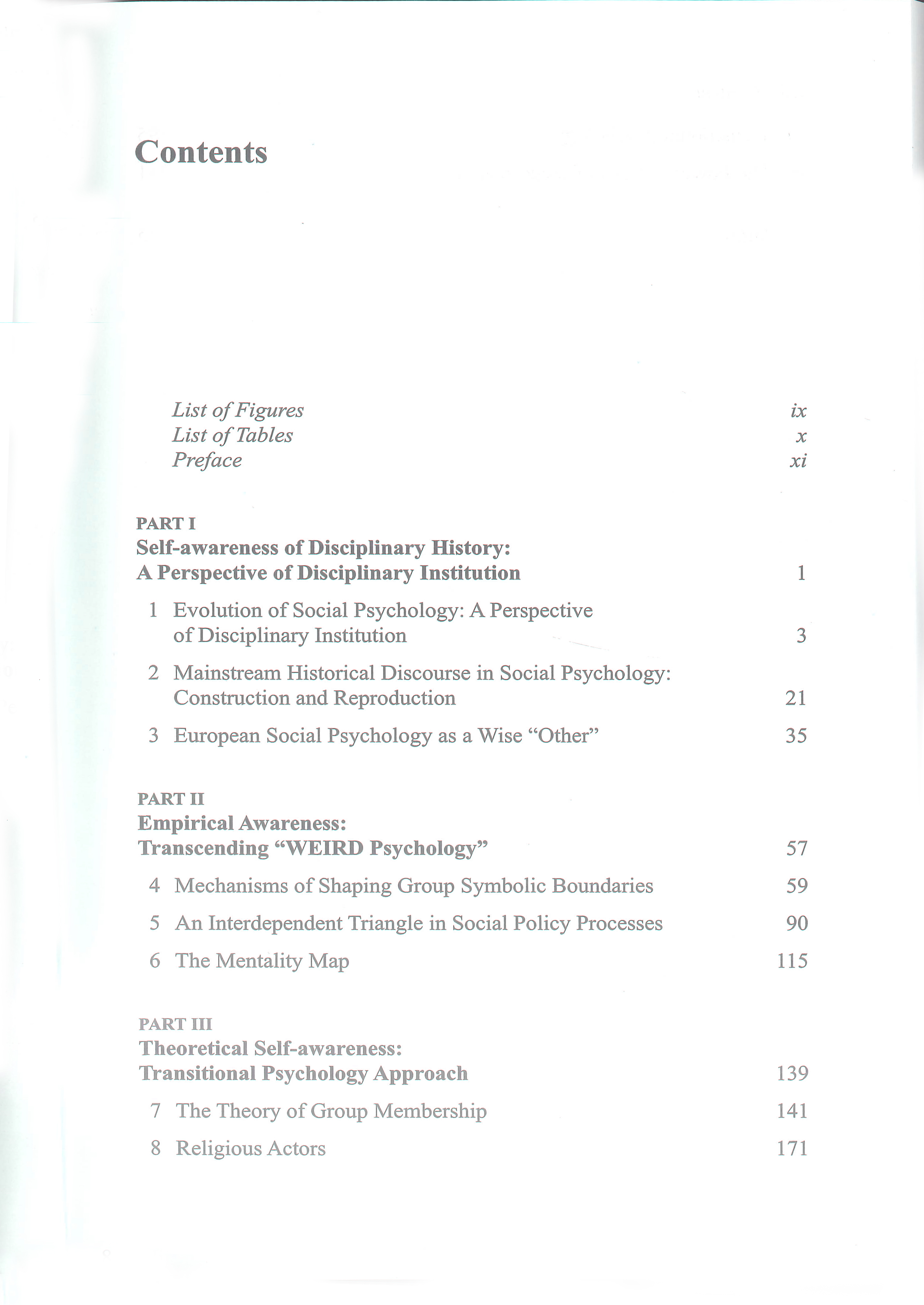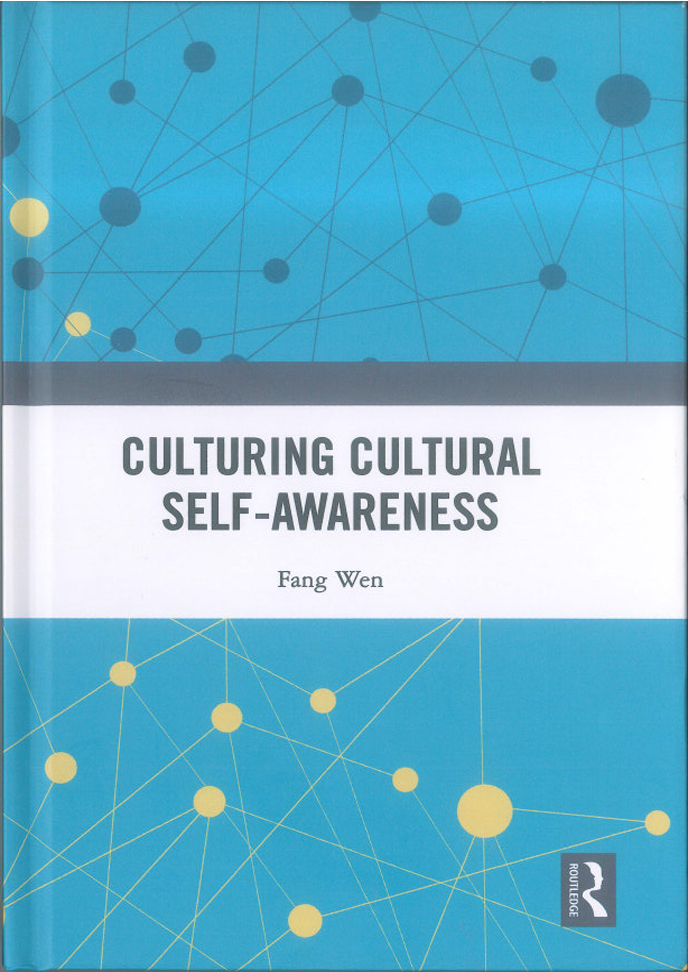
(封面)
This work pioneers the concept of "cultural self-awareness" insocial psychology by moving beyond "WEIRD psychology" to examine the
psychological transformations of Chinese society during rapid modernization. The book accomplishes this through unique studies on symbolic
boundaries, policy processes, and mentality maps.
Focusing on the intersection of social psychology and religious studies, the book explores cultural awareness and identity in the context
of modem pressures. Through compelling case studies, particularly those involving social identity events and diverse religious groups,
it reveals the complexities of contemporary China. Integrating sociological perspectives and theoretical exploration within transitional
psychology, the book demonstrates how social psychology provides vital tools for understanding behavior in transitional societies. While deeply
rooted in the Chinese experience, its innovative concepts and methodologies offer universally relevant insights for interpreting similar global dynamics.
This book is essential reading for students and scholars of social psychology, cultural studies, sociology, and religious studies, as well as for
professionals interested in China or societal transitions. Its accessible approach also benefits librarians, publishers, and policymakers seeking profound
analyses of modem societal change.
Fang Wen is Professor of Sociology at Peking University and Research Professor at The Center for Sociological Research and Development of
China (CSRDSC). His research specializes in social psychology—including its history, theory, group processes, and intergroup dynamics— and
the sociology of religion/religious groups.